HYDRAULIC SYSTEM MAINTENANCE: BEST PRACTICES TO MAXIMIZE PERFORMANCE
Refuse Trucks
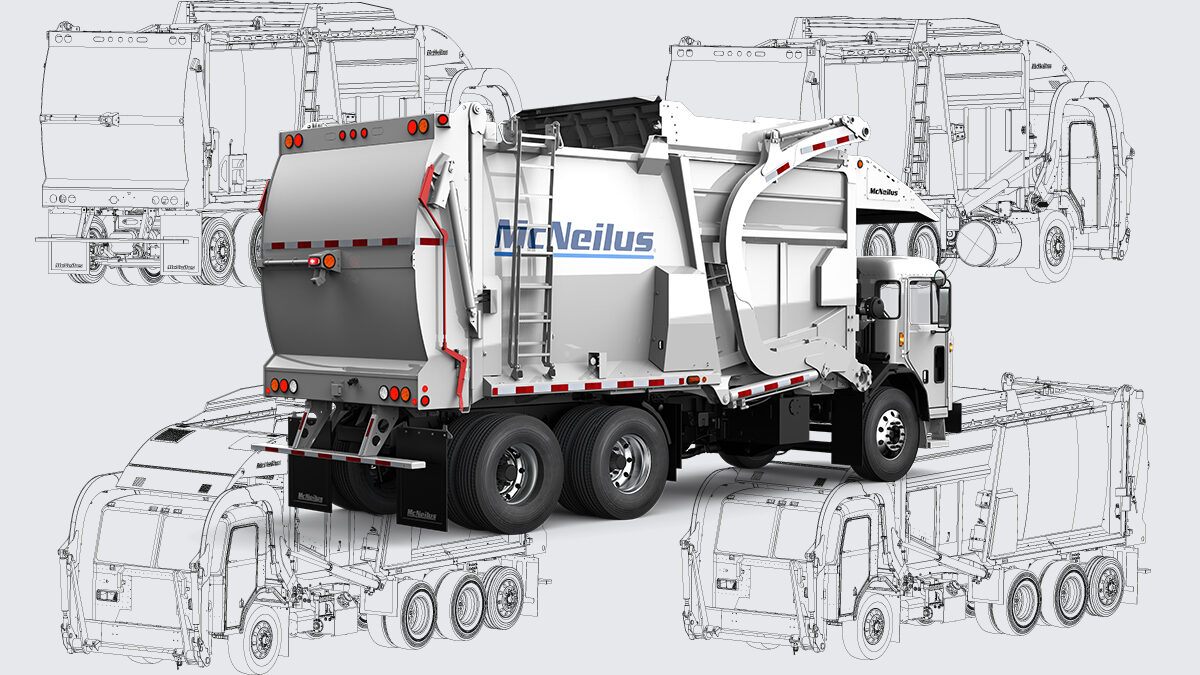
HYDRAULIC SYSTEM MAINTENANCE: BEST PRACTICES TO MAXIMIZE PERFORMANCE
The hydraulic system is at the core of your refuse collection truck’s operation. It powers essential functions such as compaction, lifting, and ejection. Inadequate maintenance can lead to performance loss, costly breakdowns, and unplanned downtime.
At L’Arsenal, we understand that a well-maintained hydraulic system means reliability, safety, and longevity. Here are the best practices to maximize your equipment’s performance.
WHY HYDRAULIC SYSTEM MAINTENANCE IS CRITICAL
Unlike other mechanical systems, hydraulics rely on pressurized fluid. This fluid does more than transmit energy: it lubricates internal components, protects against corrosion, reduces wear, and dissipates heat.
Over time, hydraulic oil degrades. Additives break down, viscosity changes, and contaminants can accumulate. The result is accelerated wear on components such as pumps, valves, and cylinders.
CHOOSING THE RIGHT HYDRAULIC OIL
Not all hydraulic oils are equal. Selecting the right type depends primarily on operating conditions and climate. According to McNeilus specifications, three grades are recommended:
- ISO 68 OIL: Ideal for standard use. Provides good thermal stability and effective wear protection. (SUS=55+ @ 210°F)
- ISO 46 OIL: Recommended for colder climates. Its lower viscosity allows smoother cold starts. (SUS=40–50 @ 210°F)
- ISO 32 OIL: Used in very cold environments. Facilitates fluid circulation at low temperatures. (SUS=40–45 @ 210°F)
In Quebec, where temperature variations are significant, ISO 46 oil is often the best compromise for year-round performance. McNeilus technical specifications for this oil include: viscosity at 40°C of 46 cSt, viscosity at 100°C of 6.7 cSt, a recommended viscosity index of 100, and a pour point of -20°F (-29°C).
ESSENTIAL ADDITIVES
A high-quality hydraulic oil should contain the following additives:
- Anti-wear
- Anti-corrosion
- Anti-oxidation
- Anti-foaming
These additives help maintain system stability and reduce the risk of failure.
SERVICE INTERVALS: A CRITICAL DISCIPLINE
Hydraulic oil does not last forever. Even if it appears clean, its chemical properties deteriorate over time. After initial commissioning, it is recommended to follow a precise schedule based on:
- Operating hours
- Working conditions
- Manufacturer recommendations
Several factors accelerate oil degradation: system overheating, contamination by water, dust, or debris, and oxidation. Delayed replacement significantly increases component wear and the risk of failure.
THE IMPORTANCE OF HYDRAULIC FILTERS
Filters play a key role in protecting the system by capturing particles that could damage internal components.
Two elements must be monitored:
- Return line filter
- Reservoir filter
A visual indicator often shows filter condition:
- Green: Normal operation
- Yellow: Replacement soon required
- Red: Immediate replacement required
Ignoring these indicators can result in contaminated oil circulating through the system and accelerated wear.
PREVENTING CONTAMINATION: THE GOLDEN RULE
Contamination is the leading cause of hydraulic system failure. Even a single particle can damage critical components. Cleanliness is essential during any intervention on the hydraulic circuit. Contamination can come from:
- Dust and particles
- Water or moisture
- Metal debris
- Improper filling practices
To reduce these risks, the following best practices should be implemented:
USE A CLEAN FILLING SYSTEM
Quick-connect filling systems allow oil to be filtered before entering the tank.
MAINTAIN A CLEAN ENVIRONMENT
Cleaning surfaces around access points before servicing significantly reduces contamination.
AVOID UNNECESSARY OPENINGS
Every time the system is opened, the risk of contamination increases. Limit interventions whenever possible.
REGULARLY CHECK SEALS
Worn seals can allow air or water to enter the system.
MONITORING OIL LEVELS, TOPPING OFF, AND DETECTING ISSUES
An improper oil level can lead to performance loss and serious damage.
OIL LEVEL CHECK PROCEDURE
For an accurate reading, the system must be in a specific resting position before checking. The following conditions must be met:
- Pack and ejector in HOME position or fully retracted
- Tailgate in DOWN position
- Top door in OPEN position
- Arms and forks fully raised
Once these conditions are met, the oil level can be checked using sight gauges located on each side of the reservoir.
OIL TOP-OFF PROCEDURE
Before adding hydraulic oil, the following steps must be followed:
- Place all hydraulic functions in neutral/rest position
- Ensure cylinders are fully retracted
- Check the oil level in the reservoir
When filling:
- Use oil that meets specifications
- Filter oil before it enters the system
- Avoid any external contamination
A simple but rigorous procedure helps maintain fluid quality and ensures stable operation.
DETECTING SIGNS OF WEAR
A hydraulic system losing performance typically shows visible signs:
- Reduced lifting power
- Irregular movements
- Unusual noises
- System overheating
These indicators should not be ignored. Early intervention often prevents more significant repairs.
ADOPTING DAILY BEST PRACTICES
Maintenance is not limited to scheduled intervals. Daily habits make a significant difference. A structured hydraulic maintenance program helps:
- Ensure operational continuity
- Reduce repair costs
- Extend equipment lifespan
- Improve operational safety
At L’Arsenal, we support organizations in implementing maintenance practices tailored to their operational realities.
CONCLUSION
A well-maintained hydraulic system means a more efficient, reliable, and durable truck. By selecting the right oil, strictly following service intervals, and applying rigorous cleanliness practices, you significantly reduce the risk of failure.
Investing in maintenance is investing in long-term performance.
