At L’Arsenal, we recognize a reality that affects all organizations involved in waste collection: contamination of recyclable materials poses a major operational, environmental, and financial challenge. When non-compliant materials end up in the recycling stream, it leads to rejections at sorting facilities, increased costs, and a loss of value.
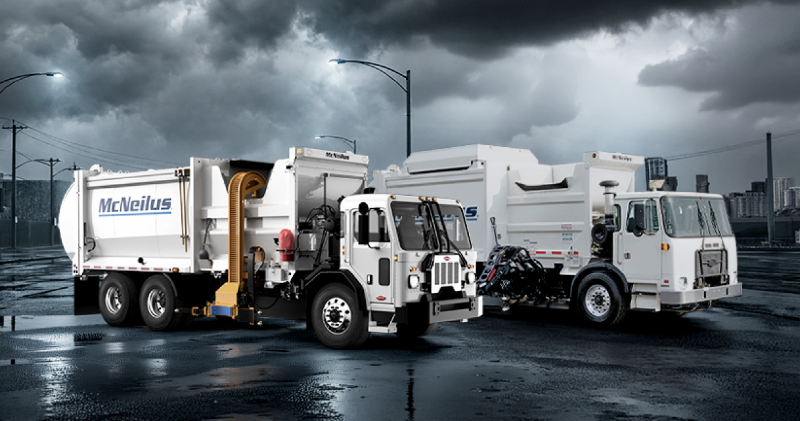
In response to this reality, contaminant detection technologies integrated into collection trucks, developed by McNeilus, are transforming the way we work. They enable rapid identification of anomalies, proactive intervention, and improvement in the overall quality of collected materials. This state-of-the-art system uses artificial intelligence, edge computing, and cloud-based analytics to accurately identify over 80 contaminants at the time of collection.
A CONCRETE SOLUTION TO A MEASURABLE PROBLEM
According to Recyc-Québec, the contamination rate of recyclable materials can range from 10% to 25% depending on the region. This contamination results in:
- Additional sorting and processing costs
- A decrease in the value of materials
- Complete rejection of loads
- Environmental impacts related to landfilling
On-board detection allows for direct action at the source of the problem: during collection. Rather than discovering errors downstream, teams can intervene immediately.
HOW THE MCNEILUS SYSTEM WORKS
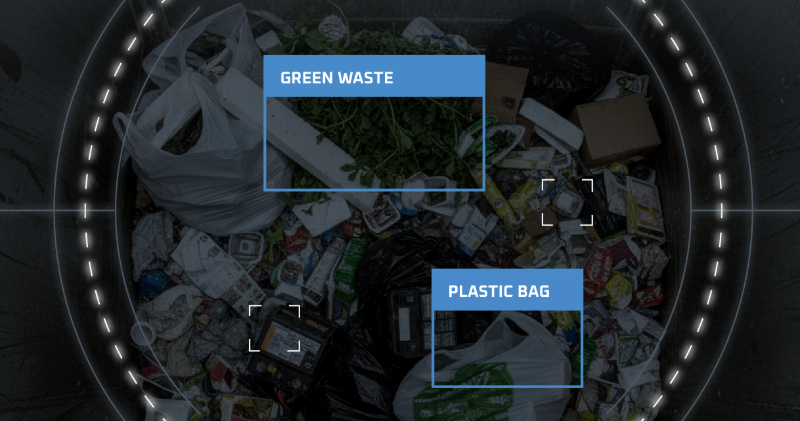
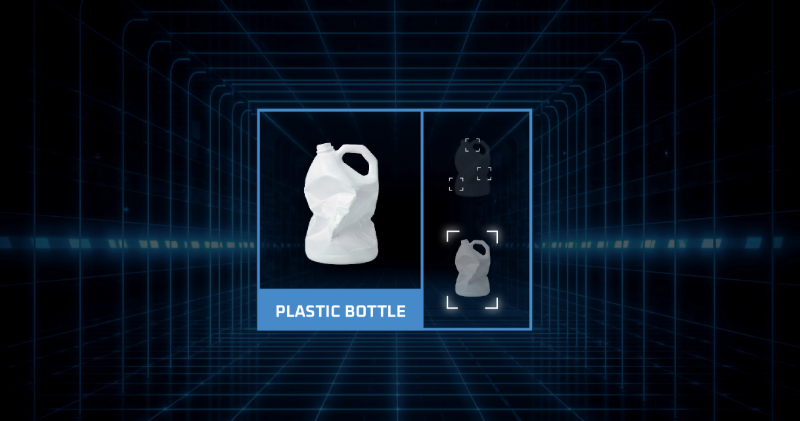
Detection systems generally rely on smart cameras and visual analysis algorithms. These technologies are capable of identifying non-compliant items in collection bins, such as:
- Plastic bags in the recycling
- Improperly sorted organic materials
- Unacceptable bulky items
Once the contaminant is detected, several actions can be triggered:
- Real-time notification to the operator
- Image recording for administrative follow-up
- Report generation for managers
Practical example: An equipped truck detects a black bag in a recycling bin. The operator is immediately notified and can decide not to collect the bin or to flag the address for follow-up.