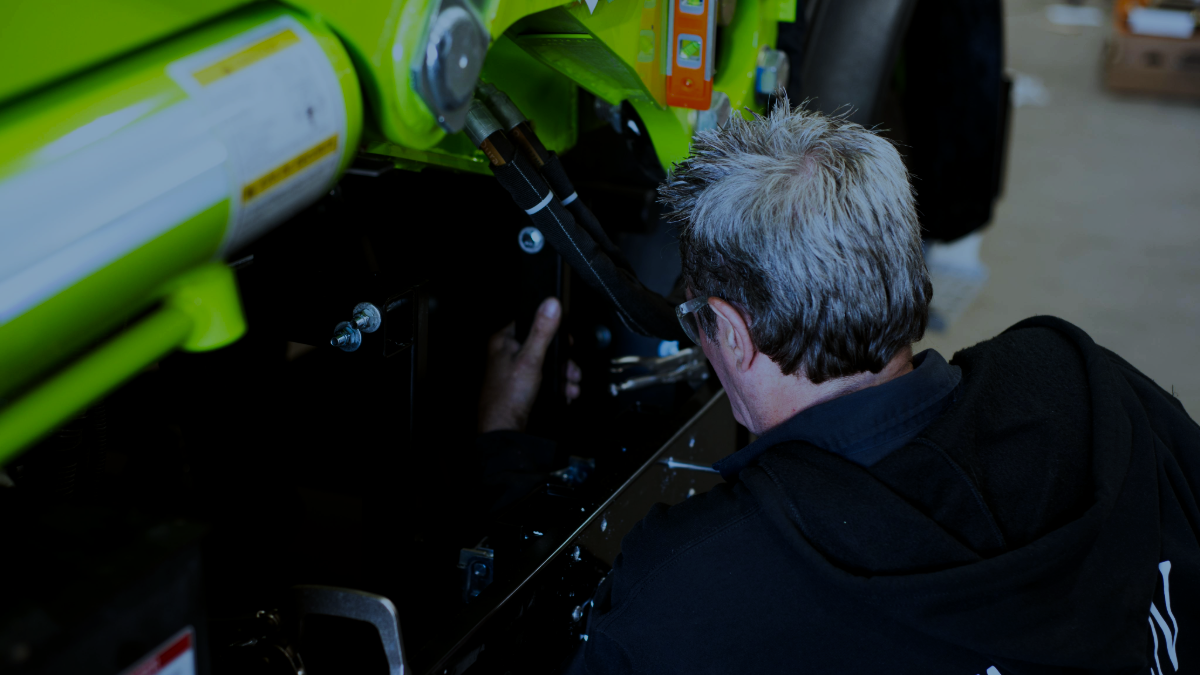
HYDRAULIC SYSTEM: THE CORE OF REFUSE OPERATIONS
The hydraulic system powers the majority of truck movements, including lifting, packing, and ejection functions. Its reliability directly affects productivity.
CHECKING HYDRAULIC OIL LEVEL
Hydraulic oil level must be checked when the system is cold and all cylinders are fully retracted. Operating with low oil levels can cause pump cavitation, overheating, and accelerated wear. Overfilling, on the other hand, can lead to overflow through the breather and contamination of surrounding components.
Maintaining the correct oil level ensures stable system pressure and protects critical hydraulic components.
VISUAL INSPECTION OF HOSES AND FITTINGS
Hydraulic hoses, tubes, fittings, and connections should be visually inspected for leaks, cracks, abrasion, or looseness. Even a small drop of oil under the truck should be investigated. Early detection prevents hose rupture, pressure loss, and unexpected shutdown during operation.
Operators should also verify that components are securely mounted and that no vibration-related damage is present.
ELECTRICAL SYSTEM: VISIBILITY AND COMMUNICATION
The electrical system plays a direct role in operational safety. Functional traffic lights, marker lights, backup lights, and audible alarms ensure that the truck remains visible and predictable to other road users and crew members.
Daily inspection should include checking for damaged wiring, loose connections, or malfunctioning indicators. Electrical issues often begin intermittently. Identifying them early prevents larger diagnostic challenges and improves overall route safety.
PNEUMATIC SYSTEM: AIR QUALITY AND PERFORMANCE
Moisture and contaminants in the pneumatic system can reduce reliability and accelerate internal corrosion. Draining the coalescing filter daily removes accumulated moisture and debris, maintaining consistent air pressure performance.
Air hoses and fittings should also be inspected for visible leaks. Even minor air loss can affect actuation performance and increase compressor workload.
This simple daily step supports long-term system durability and consistent operational response.
MECHANICAL SYSTEM: STRUCTURAL INTEGRITY
Mechanical inspections include examining the truck body, mounting points, fasteners, ladders, steps, and tailgate components. Missing or loose bolts compromise structural integrity and increase vibration stress.
The tailgate seal should be inspected for tears or excessive wear. A compromised seal can lead to material leakage, additional cleaning time, and potential safety concerns.
Operators should also verify proper alignment and secure closure of access doors and moving assemblies.
PACKER AND EJECTION AREA: PREVENTING PREMATURE WEAR
During operation, material can accumulate behind the packer assembly. If not removed daily, this buildup can damage components, increase friction, and accelerate wear on cylinders and guides.
Inspection and cleaning of the packer area must follow proper safety procedures. Preventing accumulation supports smoother operation and protects mechanical components from unnecessary stress.
FUNCTIONAL TEST: VALIDATING PERFORMANCE
A daily functional test confirms that controls, indicator lights, and warning systems operate correctly. Operators should listen for abnormal sounds during movement and observe any irregular motion patterns.
Early identification of unusual noise or vibration allows maintenance teams to intervene before a mechanical failure occurs on route.