Electrical Wiring Harnesses in Refuse Trucks: How to Prevent Damage and Corrosion
Maintenance
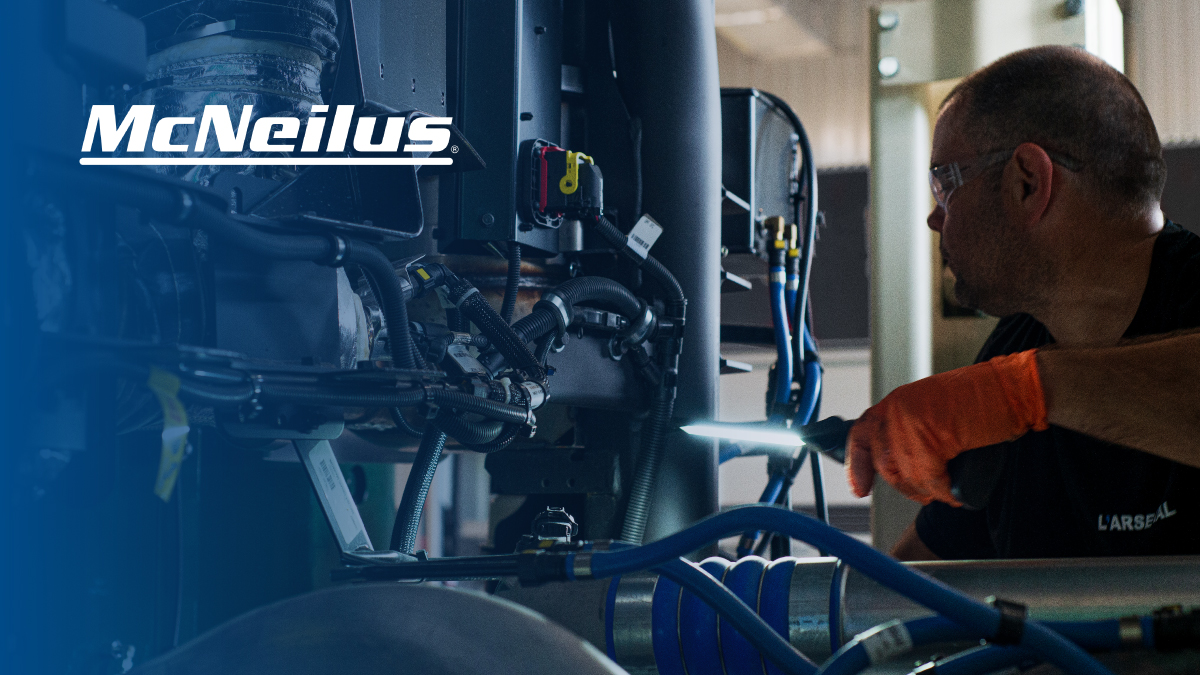
In a refuse truck, electrical wiring harnesses play an essential role in equipment operation. They transmit the signals and electrical power required for several vehicle functions, including lifting controls, compaction systems, and safety devices.
However, these components often go unnoticed during maintenance. Exposed to outdoor conditions and the demands of daily truck operation, they require special attention to prevent damage and connection problems.
Regular inspections help detect issues before they affect equipment operation.
What Is the Role of Electrical Wiring Harnesses?
Wiring harnesses consist of wires and connections that allow the truck’s various electrical components to communicate with one another.
On McNeilus trucks, certain systems use a Controller Area Network (CAN) communication system. This network transmits information between the operator controls and the modules responsible for the vehicle’s various functions.
For example, when an operator activates the tailgate opening control, a signal is sent to the control module. After verifying that the required conditions are met, the system activates the corresponding component.
A wiring failure or poor connection can therefore disrupt the operation of a control function.
Corrosion and Deterioration: What Are the Risks?
Electrical wiring harnesses located outside the cab are exposed to environmental conditions. Connection points require particular attention, as a corroded connection can affect the operation of an electrical circuit.
The McNeilus service manual indicates that a corroded connection point can cause electrical overheating. Damaged wires or wires subjected to friction can also lead to short circuits.
Other signs of deterioration to watch for include:
These issues are not always immediately visible. That is why wiring inspections should be part of regular vehicle checks.
How to Protect Electrical Wiring Harnesses
According to the McNeilus service manual, electrical wiring harnesses must be inspected daily by the operator or qualified maintenance personnel.
A few checks can help identify potential problems:
Check the Condition of the Wiring
Examine wires and their protective insulation for cracks, cuts, signs of wear, and visible damage.
Inspect Their Routing
Ensure that wiring harnesses have adequate clearance from other truck components. Pay particular attention to areas where wires may rub against surfaces.
Pay Attention to Connectors
McNeilus trucks use Deutsch and WeatherPack connectors for certain connections located outside the cab. These connectors are designed to provide reliable connections in demanding environmental conditions.
Correct Issues Before Returning the Truck to Service
When a wire or cable is damaged, McNeilus requires it to be replaced with a component of equivalent specifications before the truck is returned to service.
Particular attention must be paid to CAN network wiring. The manufacturer specifies that a damaged wire in this circuit must be replaced rather than repaired with electrical tape.
Preventive Maintenance: An Essential Part of Reliability
Electrical problems can be difficult to locate when damage is not visible.
The McNeilus service manual describes the use of an infrared thermometer as a diagnostic tool to detect abnormal heat buildup associated with electrical resistance, a corroded connection, or a short circuit.
These more technical inspections must be performed by qualified personnel in accordance with the manufacturer’s safety and maintenance procedures.
For fleet managers, incorporating wiring harness inspections into regular maintenance routines helps identify deterioration and maintain proper equipment operation.
Maintenance That Should Not Be Overlooked
Whether it is a front loader, rear loader, or side loader, electrical wiring harnesses are essential components of refuse collection equipment.
Regular inspections, proper wire routing, and close attention to connections help prevent damage and reduce electrical problems associated with corrosion.
To learn more about preventive vehicle maintenance, read our article Daily inspections you should never negliged.
Need Assistance with Your Refuse Truck Maintenance?
Our Service Centre team can assist you with maintaining your equipment.
