
sustainability Archives - L'Arsenal SES

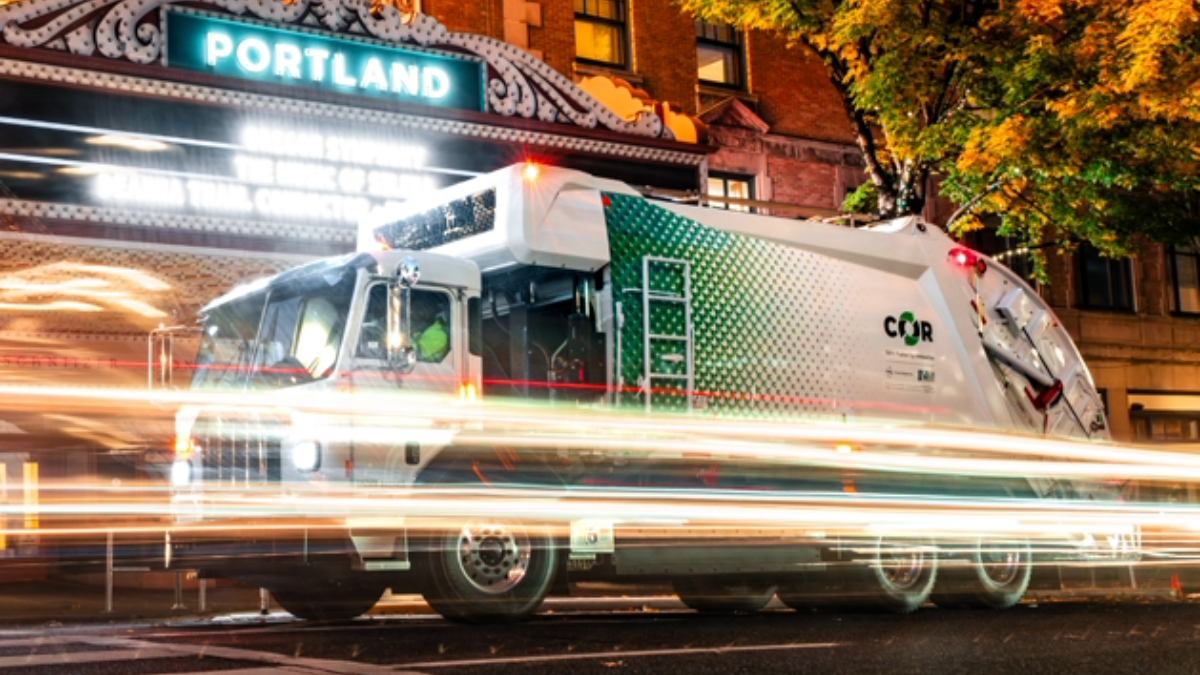
At L’Arsenal, we support fleet managers across Quebec and the Maritimes who want improved efficiency, smoother productivity, and safer working environments. McNeilus ePTO technology stands out as an option that aligns with these priorities.

By shifting essential body functions to an electric power source, the system delivers meaningful improvements for both operators and communities. Below are five key benefits that illustrate its impact.

1. Reduced Fuel Consumption and Lower Emissions

The McNeilus ePTO system replaces the traditional engine-driven hydraulic PTO with an electric motor and pump assembly that powers body functions such as lifting and compacting. This design helps reduce energy demand during refuse collection operations (mcneilusgarbagetrucks.com). Lower fuel use directly helps control operational costs while reducing emissions. Municipalities and private fleets working toward sustainability goals can rely on this system to make measurable improvements.

2. Lower Noise Levels

The electric-powered system operates with significantly less noise than conventional hydraulic PTO setups. This creates a more comfortable environment for operators and reduces disruption in residential or urban areas (mcneilusgarbagetrucks.com). Early-morning or late-evening routes become easier to schedule, helping fleets maintain flexibility without disturbing communities.

3. Reduced Maintenance Costs

Because the ePTO system can operate independently from the truck’s engine and transmission, it reduces wear associated with extended idling and mechanical load. The electric body functions also simplify diagnostics, as components can be electronically isolated (mcneilusgarbagetrucks.com). These factors contribute to longer component life, fewer service interruptions, and a more predictable maintenance budget.

4. Enhanced Efficiency and Productivity

The electric motor provides immediate power to the body, enabling smooth and responsive operation. Whether lifting containers or activating compaction cycles, the system supports consistent performance throughout the route (mcneilusgarbagetrucks.com). This improves route timing, supports operator confidence, and helps maintain service quality.

5. Support for Sustainability Initiatives

Across North America, organizations are pursuing strong environmental commitments. McNeilus ePTO technology supports these efforts by reducing emissions and noise while maintaining the durability and performance that fleets expect (mcneilusgarbagetrucks.com). It offers an actionable way to progress toward sustainability targets without compromising operational capabilities.

Conclusion

At L’Arsenal, we recognize the growing need for equipment that improves efficiency and supports environmental responsibility. McNeilus ePTO technology delivers reduced fuel consumption, quieter operation, simplified maintenance, improved productivity, and tangible support for sustainability objectives. These benefits help fleets operate confidently and efficiently across Quebec and the Maritimes.

If you are considering integrating ePTO systems into your fleet or want to explore which McNeilus configurations would best support your operations, our team is ready to help.

Waste management has moved far beyond collection and disposal. Today, organizations are looking for ways to operate more efficiently, reduce costs, and demonstrate a strong commitment to sustainability. Zero waste certification has emerged as a powerful strategy that delivers measurable results while reinforcing environmental leadership. At L’Arsenal, we see this as a transformative step for municipalities and businesses alike. Here are six concrete benefits of zero waste certification.

1. MEASURABLE COST REDUCTION

Sending fewer materials to landfills directly reduces transportation and disposal fees. On top of that, recycling and reusing materials can create new revenue streams. Zero waste certification highlights these savings, making them visible and sustainable over time.

2. ENHANCED OPERATIONAL EFFICIENCY

Implementing zero waste practices forces organizations to rethink how they manage materials. By streamlining flows, reducing unnecessary movements, and organizing processes more effectively, teams become more productive. The result is smoother operations and stronger performance across the board.

3. STRONGER BRAND REPUTATION

Employees, citizens, and partners want to align with organizations that take sustainability seriously. Displaying a zero waste certification signals credibility, builds trust, and positions your organization as a responsible leader. This credibility fosters engagement both internally and externally.

4. BETTER HEALTH AND SAFETY

Improved waste handling also means safer work environments. By reducing the volume of materials handled and creating clearer processes, risks of accidents and contamination are lowered. Certification therefore contributes to healthier, safer conditions for teams and communities.

5. REGULATORY COMPLIANCE AND COMPETITIVE EDGE

Environmental regulations are becoming stricter. Achieving zero waste certification proves compliance with current requirements and positions your organization to adapt to future ones. This readiness offers a competitive advantage over those who delay action.

6. LONG-TERM INNOVATION AND COMMITMENT

Certification is not the finish line. It inspires continuous improvement, adoption of new technologies, and innovative practices. Organizations that pursue zero waste certification set themselves apart as innovators who drive positive change in their communities.

A SMART STRATEGY FOR THE FUTURE

Zero waste certification transforms refuse management into a driver of performance. From lowering costs to boosting efficiency, improving safety, strengthening reputation, ensuring compliance, and inspiring innovation, every benefit is tangible. At L’Arsenal, McNeillus exclusive dealer, we believe sustainability is more than a goal—it’s a pathway to smarter, more responsible growth. Moving toward zero waste is an investment in both today’s performance and tomorrow’s future.
