Lubrication: A Simple Step to Extend the Life of Your Refuse Truck
Learning
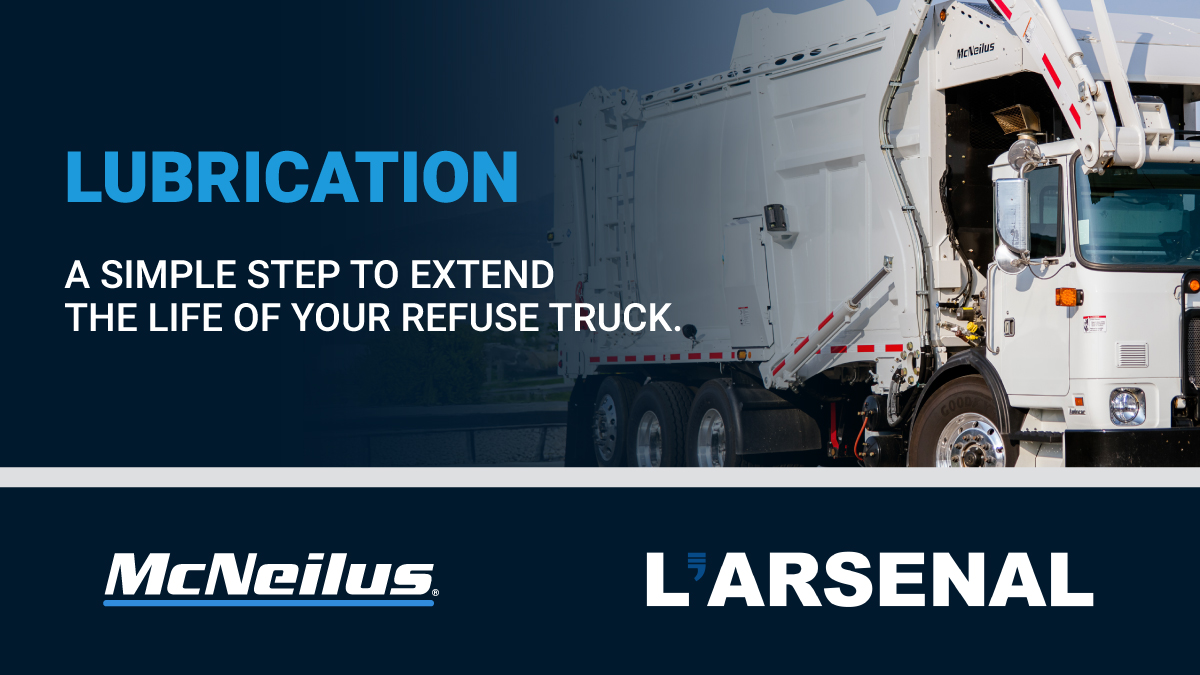
In collection operations, every unexpected stop has a direct impact: delays, additional costs, and pressure on teams. Yet, many of these situations can be avoided with simple actions, one of the most important being lubrication.
At L’Arsenal, we support fleet managers in optimizing the performance of their equipment. Proper lubrication goes beyond maintenance: it protects your components, reduces wear, and directly contributes to the reliability of your operations.
WHY LUBRICATION IS ESSENTIAL
A refuse truck is subjected to repeated cycles and heavy loads. Without proper lubrication, pivot points, cylinders, and joints wear out quickly.
Result:
- Premature wear of components
- Mechanical play and loss of precision
- Increased risk of breakdowns
- More frequent unexpected downtime
A simple lack of lubrication can significantly reduce the lifespan of a critical component. On the other hand, a well-structured routine helps maintain truck performance day after day.
DAILY LUBRICATION: A HABIT THAT MAKES THE DIFFERENCE
* The lubrication chart provided is intended as a general guide and may vary depending on the vehicle model and selected options.
SCHEDULED LUBRICATION: DO NOT NEGLECT INTERVALS
ADAPTING FREQUENCY TO YOUR REALITY
Not all trucks are used the same way. Operating conditions directly influence lubrication needs:
- Heavy use or double shifts
- Harsh environmental conditions (dust, humidity, salt)
- Road types and cycle frequency
In these contexts, following only standard intervals may not be sufficient. A proactive approach helps prevent issues before they impact your operations.
THE REAL BENEFITS OF PROPER LUBRICATION
Implementing an effective lubrication routine means:
- Reducing unexpected downtime
- Lowering repair costs
- Extending component lifespan
- Maintaining truck performance
- Improving operational safety
These are tangible gains for fleet managers who must ensure daily operational continuity.
A SIMPLE BUT STRATEGIC DISCIPLINE
Lubrication is often seen as a routine task. However, it plays a key role in the overall reliability of your fleet.
A structured maintenance program not only prevents breakdowns but also optimizes the long-term management of your assets.
At L’Arsenal, we support organizations in implementing maintenance practices tailored to their operational realities.
Also read: HYDRAULIC SYSTEM MAINTENANCE: BEST PRACTICES TO MAXIMIZE PERFORMANCE
CONCLUSION
A simple action like daily lubrication can have a major impact on the performance and durability of your equipment.
By adopting rigorous practices adapted to your reality, you reduce the risk of breakdowns and maximize the value of your refuse trucks.
Investing time in maintenance means investing in the reliability of your operations.
